

Are Stainless Steel Faucets Safe for Drinking Water? What Buyers Need to Know
Introduction
As global awareness of health, water quality, and product safety continues to rise, buyers are paying closer attention to the materials used in drinking water fixtures. One of the most frequently asked questions in the sanitary ware industry today is: Are stainless steel faucets safe for drinking water?
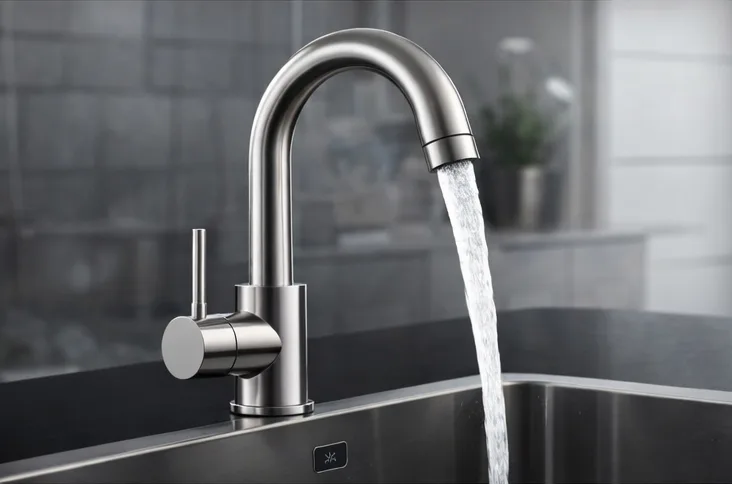
For homeowners, the concern is personal health. For distributors, importers, and project buyers, the concern extends to regulatory compliance, long-term reliability, and market trust. Stainless steel faucets are widely promoted as hygienic and durable—but not all stainless steel is the same, and not all products are manufactured to the same standards.
This in-depth guide explains why stainless steel faucets are considered safe for drinking water, what buyers should look for when sourcing, and how manufacturers ensure compliance with global safety requirements.
What Is Stainless Steel and Why It Matters for Drinking Water
Stainless steel is an alloy primarily composed of iron, chromium, and small amounts of other elements such as nickel and molybdenum. The key feature that makes stainless steel suitable for drinking water applications is its chromium content, which forms a passive protective layer on the surface.
This invisible chromium oxide layer:
Prevents rust and corrosion
Reduces metal leaching into water
Provides a smooth, non-porous surface that resists bacteria buildup
Because of these properties, stainless steel is widely used in food processing equipment, medical devices, and drinking water systems.
Are All Stainless Steel Faucets Safe?
The short answer is: only when the correct grade and manufacturing standards are used.
The safety of a stainless steel faucet depends on several factors:
Stainless steel grade
Raw material purity
Internal surface treatment
Manufacturing and quality control
Buyers should never assume that all products labeled “stainless steel” automatically meet drinking water safety standards.
Common Stainless Steel Grades Used in Faucets
304 Stainless Steel Faucets
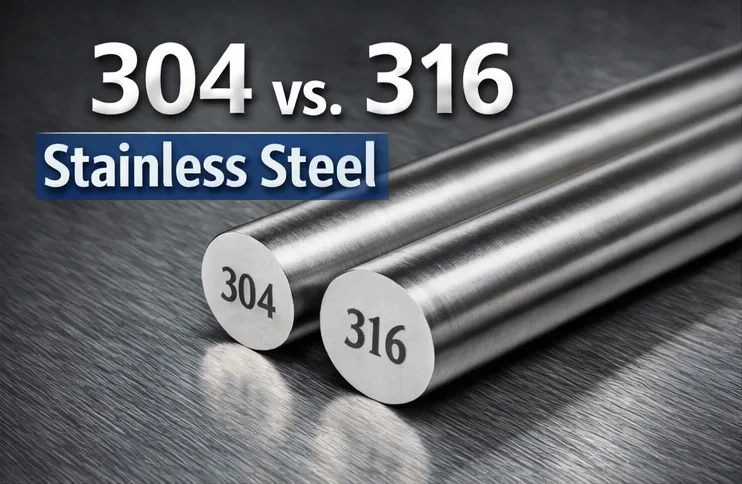
304 stainless steel is the most commonly used and widely accepted grade for drinking water faucets.
Key characteristics:
Contains approximately 18% chromium and 8% nickel
Excellent corrosion resistance
Non-toxic and stable
Suitable for most residential and commercial environments
Because of its balance of cost, performance, and safety, 304 stainless steel is often recommended for global mass-market faucets.
316 Stainless Steel Faucets
316 stainless steel includes added molybdenum, offering enhanced resistance to corrosion, especially in harsh environments.
Advantages include:
Superior resistance to salt, chemicals, and coastal air
Ideal for high-humidity or coastal regions
Higher cost compared to 304
For premium markets or coastal projects, 316 stainless steel faucets provide an extra level of safety and durability.
Lower-Grade Stainless Steel (Buyer Warning)
Some low-cost faucets may use inferior grades such as 201 or 202 stainless steel.
Potential risks:
Lower corrosion resistance
Higher risk of surface degradation over time
Greater chance of metal release under extreme conditions
For drinking water applications, buyers should avoid unverified low-grade stainless steel.
Does Stainless Steel Leach Harmful Substances into Water?
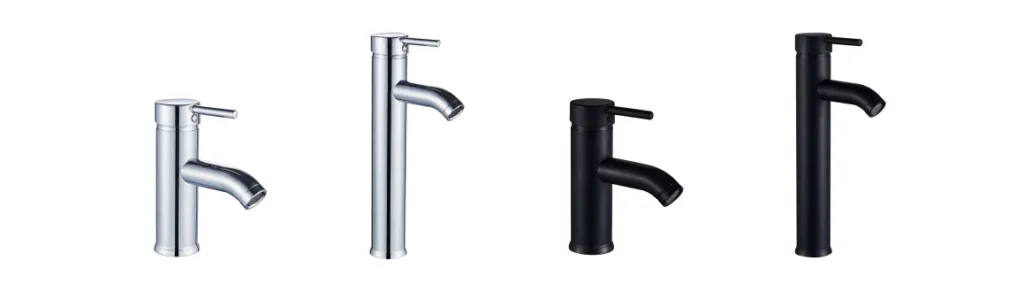
One of the biggest concerns buyers have is metal leaching.
High-quality stainless steel faucets, particularly those made from 304 or 316 stainless steel, are designed to be chemically stable. Under normal usage conditions:
They do not release lead
They do not introduce harmful heavy metals
They remain stable even with hot water
Unlike some brass faucets that may contain trace lead, stainless steel faucets are often marketed as lead-free solutions, making them especially attractive in markets with strict health regulations.
Certifications That Confirm Drinking Water Safety
Buyers should look for recognized certifications when sourcing stainless steel faucets for drinking water.
Common international standards include:
NSF/ANSI 61 – Drinking water system components safety
WRAS – Water regulations advisory scheme (UK)
ACS – Attestation de Conformité Sanitaire (France)
DVGW – German drinking water certification
ISO 9001 – Quality management system
These certifications indicate that the faucet materials and internal components have been tested for safety and compliance.
Manufacturing Processes That Affect Water Safety
Even with the correct stainless steel grade, manufacturing quality plays a crucial role.
Internal Surface Treatment
Smooth internal surfaces reduce:
Sediment buildup
Bacterial growth
Risk of contamination
Advanced manufacturers use polishing and precision machining to ensure clean internal waterways.
Welding and Assembly Quality
Poor welding can introduce weak points or contamination risks. High-quality stainless steel faucets use:
Clean welding processes
Controlled temperatures
Strict inspection standards
Quality Control Testing
Reliable manufacturers conduct:
Pressure testing
Water flow testing
Leak detection
Material verification
These steps help ensure consistent performance and safety.
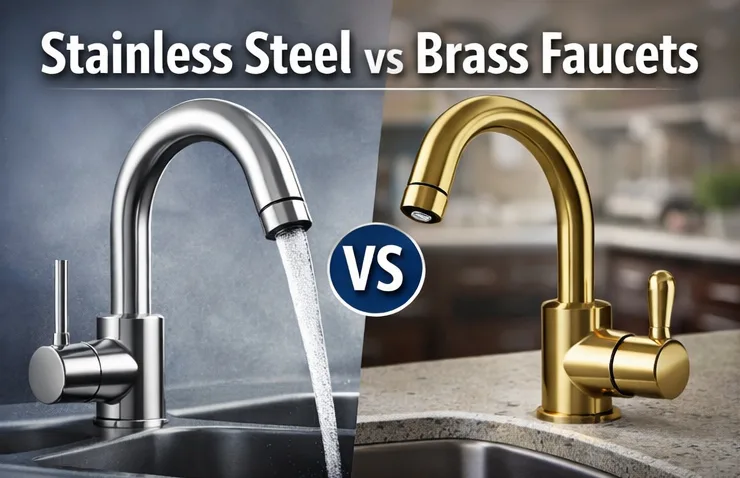
Stainless Steel Faucets vs Brass Faucets for Drinking Water
Both stainless steel and brass faucets are widely used, but they differ in key areas:
Stainless steel faucets are naturally lead-free and corrosion-resistant
Brass faucets may require additional lead-free formulations and coatings
For buyers focused on health messaging and long-term water purity, stainless steel often offers a clearer value proposition.
Why Stainless Steel Faucets Are Popular in Global Markets
Stainless steel faucets align well with modern market demands:
Increasing health awareness
Stricter drinking water regulations
Preference for minimalist and industrial design
Demand for long service life
As a result, stainless steel faucets are gaining popularity in North America, Europe, Latin America, and the Middle East.
Considerations for Distributors and Importers
When sourcing stainless steel faucets for drinking water use, buyers should:
Confirm the stainless steel grade
Request material certificates
Verify drinking water compliance
Evaluate factory quality control
Choosing the right supplier reduces after-sales issues and strengthens brand credibility.
Are Stainless Steel Faucets Suitable for Hot Water?
Yes. High-quality stainless steel faucets are designed to handle both hot and cold water.
They maintain:
Structural stability at high temperatures
Resistance to thermal expansion
Consistent water quality
This makes them suitable for kitchens, bathrooms, and mixed-water systems.
Environmental and Sustainability Benefits
Stainless steel is:
Fully recyclable
Long-lasting
Low maintenance
These characteristics support sustainability goals and reduce product replacement frequency, making stainless steel faucets an environmentally responsible choice.
Future Trends in Stainless Steel Drinking Water Faucets
Looking ahead, the market is expected to see:
Increased demand for certified drinking water faucets
Growth in 304 and 316 stainless steel usage
More emphasis on hygiene-focused product design
Manufacturers that invest in material transparency and compliance will gain a competitive edge.
Conclusion
So, are stainless steel faucets safe for drinking water?
The answer is yes—when manufactured using high-quality stainless steel grades such as 304 or 316 and produced under strict quality control standards.
For buyers, stainless steel faucets offer:
Excellent water safety
Long-term durability
Compliance with global regulations
Strong market acceptance
By understanding material grades, certifications, and manufacturing processes, buyers can confidently select stainless steel faucets that meet both health and commercial expectations.