
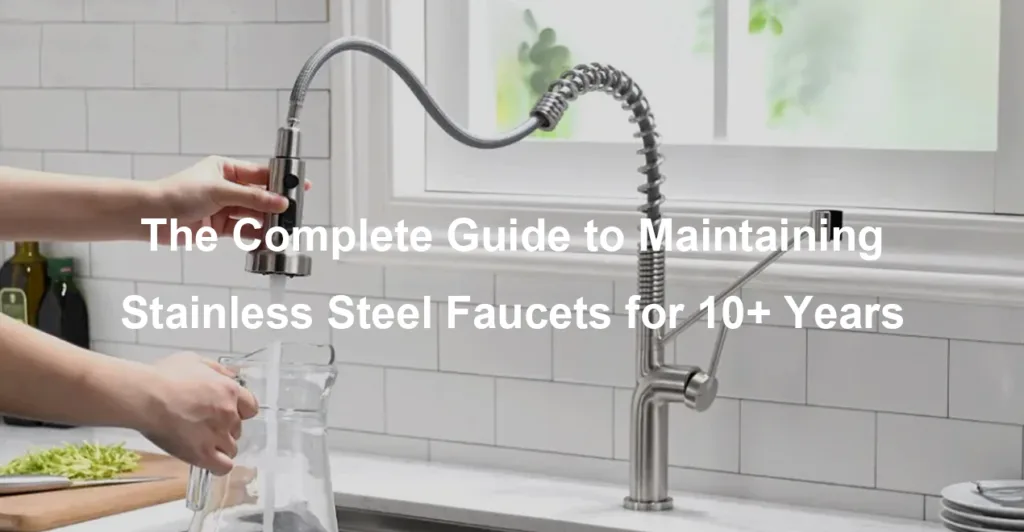
The Complete Guide to Maintaining Stainless Steel Faucets for 10+ Years
Stainless steel faucets have become one of the most reliable and long-lasting choices for modern kitchens and bathrooms. Known for their durability, corrosion resistance, and sleek aesthetics, they can easily last more than a decade—but only with proper maintenance. Whether you are a homeowner looking to extend the lifespan of your fixtures or a business sourcing high-quality faucets for resale, understanding how to maintain stainless steel faucets is essential.
This complete guide explains why stainless steel is ideal, what affects its longevity, and how to maintain your faucets so they stay bright, clean, and functional for 10+ years without major repairs.
🔍 1. Why Stainless Steel Faucets Last Over 10 Years?
Before diving into maintenance, it helps to understand why stainless steel performs better than many other materials.
1.1 Natural Corrosion Resistance
High-grade stainless steel (especially 304 and 316) forms a protective chromium oxide layer on its surface.
This invisible layer prevents:
Rust
Chemical corrosion
Mineral deposits penetrating the metal
Surface discoloration
This is why stainless steel faucets withstand moisture and hard water better than zinc alloy faucets.
1.2 Strength & Durability
Stainless steel has higher tensile strength than brass or zinc alloy. This means:
It won’t deform easily
Threads and joints last longer
It resists dents, scratches, and daily wear
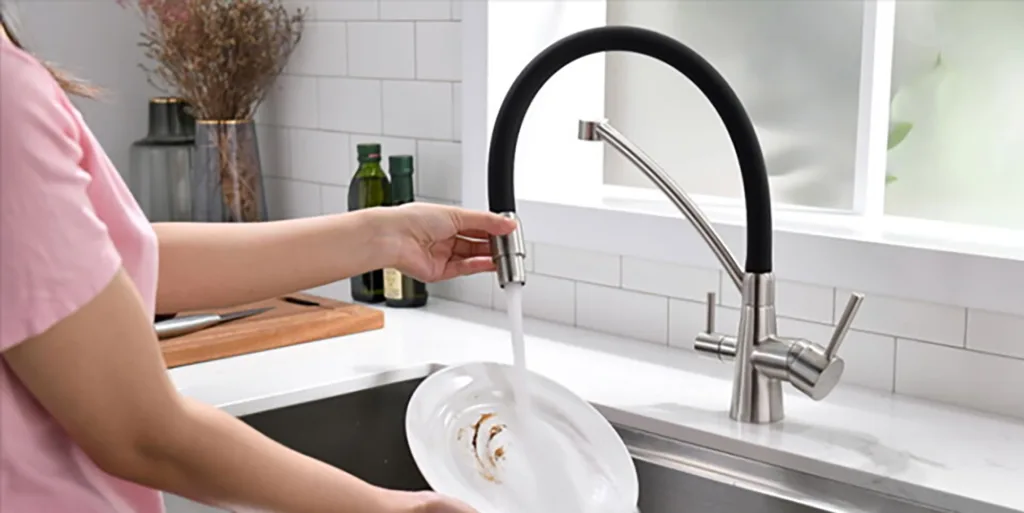
Proper maintenance helps preserve this physical strength for more than a decade.
1.3 Hygienic & Easy to Clean
Stainless steel is non-porous, which means bacteria cannot penetrate the surface. This makes stainless steel faucets ideal for:
Homes
Restaurants
Hospitals
Commercial kitchens
Regular cleaning enhances hygiene and prevents water stains or dullness.
🧼 2. Daily Cleaning Tips to Keep Your Faucet Shining
Even though stainless steel is durable, certain factors can reduce its lifespan if ignored.
2.1 Hard Water Minerals
Calcium and magnesium in hard water create:
White scale buildup
Mineral stains
Clogged aerators
If left untreated, hard water can reduce water pressure and make the faucet look dull.
2.2 Chlorine & Harsh Chemicals
Industrial cleaners that contain high bleach levels can damage stainless steel’s protective surface, causing:
Pitting
Surface discoloration
Loss of shine
2.3 Scratches from Abrasive Materials
Using scouring pads or steel wool can leave permanent scratches.
2.4 Neglected Internal Components
O-rings, ceramic cartridges, and aerators can degrade over time. Without periodic maintenance, leaks and low water pressure become common.
🚿 3. Weekly Care Routine for Deeper Maintenance
A weekly routine protects your stainless steel faucet’s surface and prevents long-term buildup.
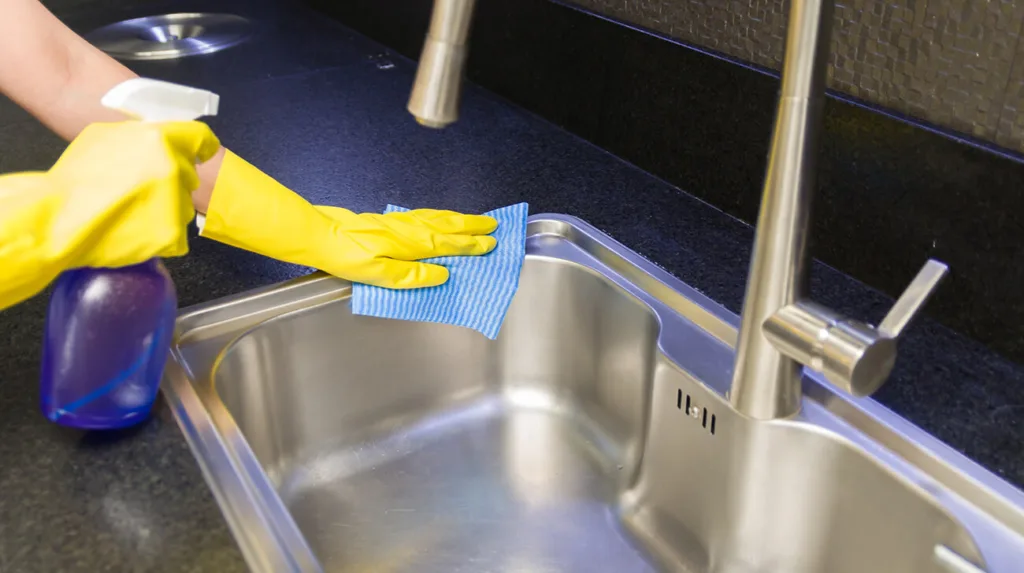
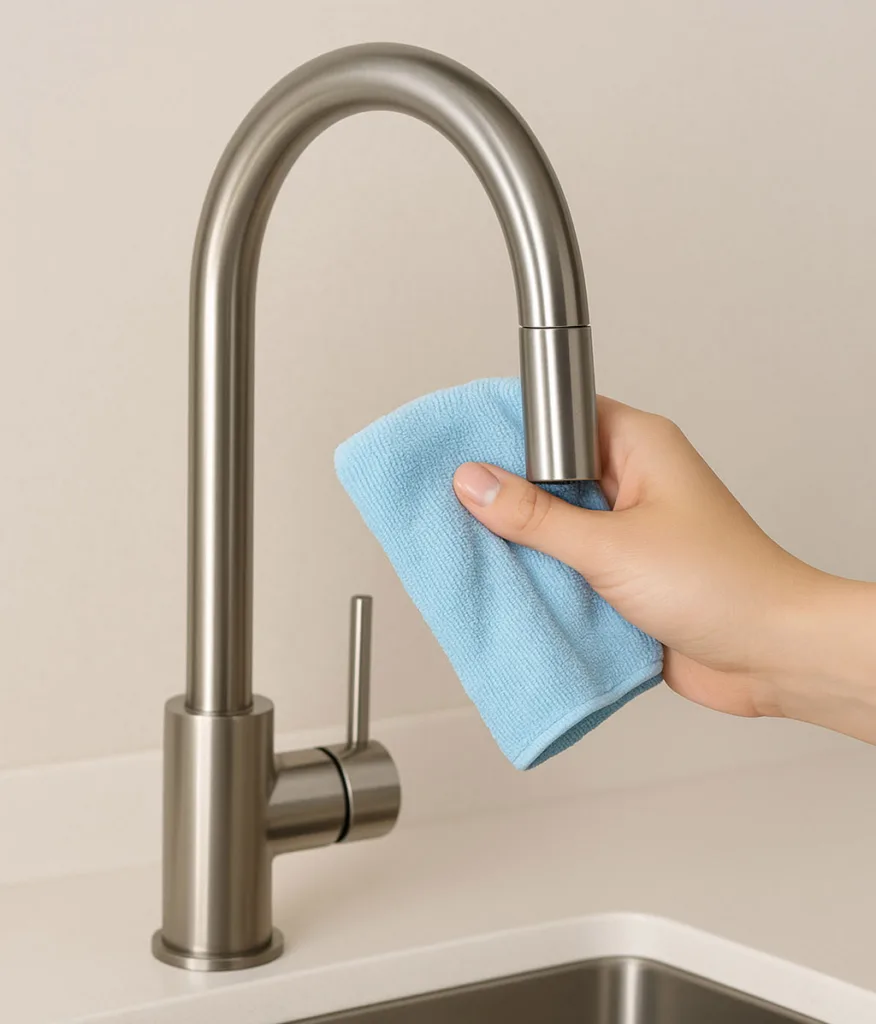
Step 1: Wipe the Faucet with a Soft Cloth
Use microfiber cloths only. They gently remove fingerprints and water stains.
Step 2: Clean with Mild Soap
Mix warm water with a few drops of neutral dish soap.
Gently wipe the surface—this removes oils and prevents dullness.
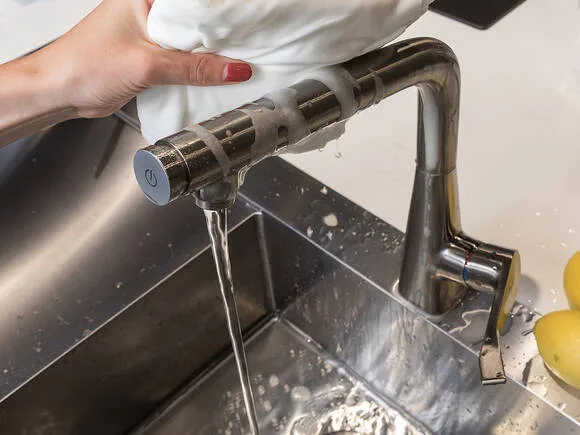
Step 3: Rinse & Dry Completely
Water droplets can cause mineral spotting. Drying ensures the faucet stays shiny.
Step 4: Apply a Light Protective Oil (Optional)
A small amount of baby oil, mineral oil, or stainless steel polish can:
Restore shine
Form a protective layer
Prevent fingerprints
🧴 4. What Cleaners You Should Avoid (And Why)
A deeper monthly cleaning helps maintain long-term performance.
4.1 Remove Limescale with Natural Solutions
Avoid harsh descalers—use gentle acid cleaners instead.
Best options:
White vinegar
Lemon juice
Method:
Mix vinegar with equal parts water.
Soak a cloth and wrap it around the faucet base.
Leave for 10–15 minutes.
Wipe clean and rinse.
This breaks down mineral buildup safely without damaging the stainless steel surface.
4.2 Clean the Aerator to Restore Water Pressure
Hard water deposits often clog the aerator mesh.
How to clean it:
Unscrew the aerator from the faucet spout.
Soak it in vinegar for 20 minutes.
Use a toothbrush to scrub debris.
Rinse and reattach.
This simple step can instantly restore full water flow.
4.3 Polish the Surface
Use stainless steel-safe polishes to maintain a mirror-like finish, especially for brushed or matte finishes.
💧 5. How to Remove Hard Water Stains Like a Pro
To keep your stainless steel faucet performing like new for a decade, conduct a yearly inspection.
5.1 Replace O-Rings if Necessary
Rubber O-rings naturally wear out after extended use. Replacing them prevents:
Handle stiffness
Small leaks around the base
Drips during use
5.2 Inspect Hoses
Stainless steel faucets often include braided steel hoses. Look for:
Cracks
Stiffness
Kinks
Corrosion around connectors
Replace immediately if worn to prevent water damage.
5.3 Check the Cartridge
Ceramic cartridges can last years, but sediment or heavy minerals may reduce their lifespan.
Signs it may need replacement:
Dripping even when turned off
Difficulty adjusting water temperature
Handle noise during operation
Annual inspection ensures long-term, leak-free performance.
🛠️ 6. Maintaining the Aerator for Optimal Water Flow
To keep your faucet free from scratches, corrosion, and dullness, avoid:
6.1 Abrasive Materials
Steel wool
Scouring pads
Rough sponges
These create permanent micro-scratches.
6.2 Acidic Industrial Cleaners
Avoid products containing:
Chlorine
Bleach
Hydrochloric acid
Harsh descalers
They break down the protective chromium oxide layer.
6.3 Hard Water Left Unattended
Hard water spots become harder to remove over time. Always dry the faucet after use.
🔧 7. How to Prevent Rust and Surface Damage
Stainless steel faucets in hotels, restaurants, and public facilities need additional care. Consider:
7.1 More Frequent Cleaning
Daily wiping prevents buildup from constant water exposure.
7.2 Anti-Scale Filters
Installing filters can reduce maintenance costs for high-traffic kitchens.
7.3 Choosing 316 Stainless Steel
This grade offers superior corrosion resistance in coastal or industrial environments.
🧽 8. Safe Methods for Polishing Stainless Steel Faucets
Even with excellent maintenance, no faucet lasts forever. Replace your stainless steel faucet if you see:
- Persistent low water pressure despite aerator cleaning
Multiple leaks around the base
Deep dents or scratches
Pitted corrosion (usually due to chemicals)
Difficulty rotating or adjusting handles
Replacing old units ensures hygiene, safety, and better water efficiency.
🛡️ 9. Protective Coatings That Extend Faucet Lifespan
Stainless steel faucets are engineered to last, but proper care is essential to keep them performing like new for a decade or more. By following regular cleaning routines, avoiding harsh chemicals, and conducting annual inspections, you can extend your faucet’s lifespan while preserving its beauty.
Whether you’re a homeowner, retailer, or faucet distributor, consistent maintenance brings:
Lower repair costs
Longer lifespan
Better water efficiency
A cleaner, healthier environment
Stainless steel faucets are a long-term investment—and with the right care, they can stay in excellent condition well beyond 10 years.