
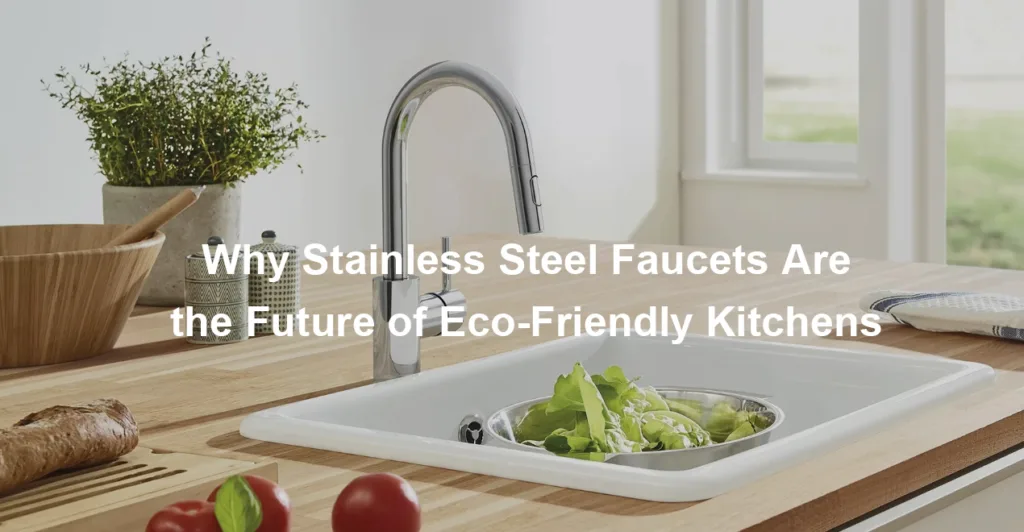
Why Stainless Steel Faucets Are the Future of Eco-Friendly Kitchens
As sustainability becomes a core consideration in modern home design, kitchens are undergoing a major transformation. Homeowners, designers, and commercial buyers alike are looking for products that are not only stylish and durable, but also safe, recyclable, and environmentally responsible. Among all kitchen fixtures, stainless steel faucets are rapidly emerging as the future of eco-friendly kitchens.
From lead-free safety and recyclability to long service life and compliance with global environmental standards, stainless steel faucets offer unmatched advantages over traditional materials like brass or zinc alloy. In this article, we explore why stainless steel faucets are becoming the preferred choice worldwide—and why manufacturers, wholesalers, and project buyers are shifting toward this sustainable solution.
1. The Rise of Eco-Friendly Kitchens in 2025 and Beyond
Eco-friendly kitchens are no longer a niche trend. They are now a global standard driven by:
Stricter environmental regulations (EU, UK, Australia, North America)
Rising awareness of drinking water safety
Demand for lead-free and recyclable materials
Long-term cost efficiency and durability
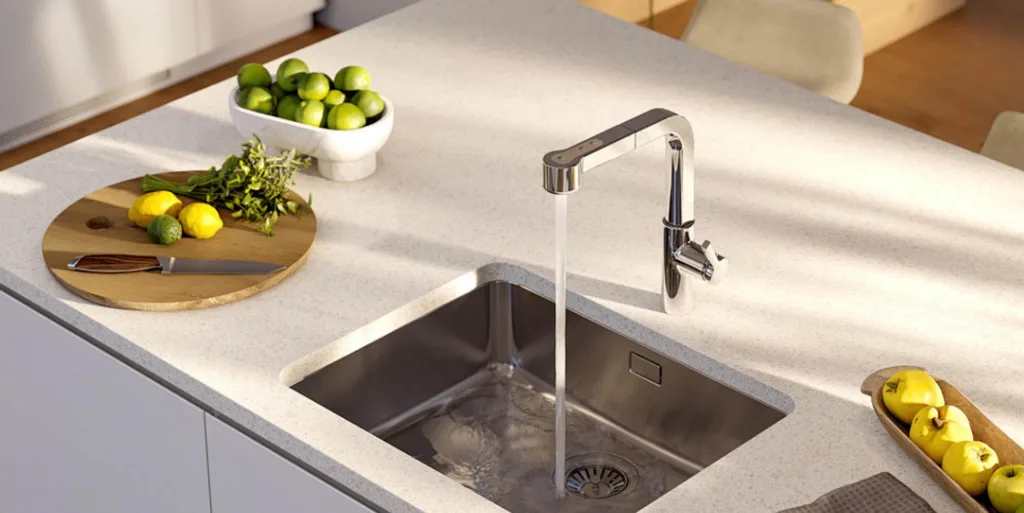
Governments and consumers are increasingly prioritizing products that reduce environmental impact across their entire lifecycle—from raw material sourcing to manufacturing, daily use, and end-of-life recycling.
In this context, stainless steel kitchen faucets stand out as one of the most sustainable and future-proof choices.
2. What Makes Stainless Steel Faucets Eco-Friendly?
2.1 100% Lead-Free and Safe for Drinking Water
Unlike many traditional brass faucets, which may contain trace amounts of lead, high-quality stainless steel faucets (such as SUS 304 or SUS 316) are naturally lead-free.
This makes them ideal for:
Drinking water systems
Family kitchens with children
Markets with strict health regulations (EU, UK, Germany, Australia)
Stainless steel faucets easily comply with major standards such as:
EN 817 / EN 248 (Europe)
DVGW (Germany)
WRAS (UK)
NSF / ANSI 61 (North America)
Lead-free construction directly supports healthier living and long-term water safety—core values of eco-friendly kitchens.
3. Stainless Steel Is Highly Recyclable and Sustainable
One of the strongest environmental benefits of stainless steel is its exceptional recyclability.
Stainless steel can be recycled repeatedly without losing performance
Over 60% of stainless steel products worldwide are made from recycled material
At the end of its lifespan, a stainless steel faucet can be fully reused
In contrast, faucets made from zinc alloy or mixed materials are often difficult to recycle and may end up in landfills.
Choosing stainless steel faucets helps:
Reduce raw material consumption
Lower carbon footprint
Support a circular economy
4. Longer Lifespan Means Less Waste
Durability is a key pillar of sustainability.
4.1 Superior Corrosion and Rust Resistance
Stainless steel faucets are naturally resistant to:
Rust
Corrosion
Moisture
Chemicals commonly used in kitchens
This makes them ideal for:
High-humidity environments
Coastal regions
Commercial kitchens and restaurants
4.2 Fewer Replacements, Less Environmental Impact
A high-quality stainless steel kitchen faucet can last 10–20 years or more with minimal maintenance. Fewer replacements mean:
Less manufacturing energy
Reduced transportation emissions
Lower waste generation
This long service life significantly reduces the total environmental impact compared to cheaper, short-lifespan alternatives.
5. Eco-Friendly Manufacturing Advantages
Modern stainless steel faucet factories are increasingly adopting cleaner, greener production processes, including:
CNC precision machining (less material waste)
Water-saving polishing systems
Reduced chemical plating (no heavy metal electroplating)
Energy-efficient production lines
Unlike chrome-plated brass faucets, many stainless steel faucets use PVD or brushed finishes, which are:
More environmentally friendly
More durable
Free from toxic plating chemicals
This aligns perfectly with global sustainability goals and ESG requirements.
6. Ideal for Modern Minimalist and Green Kitchen Design
Eco-friendly kitchens often emphasize:
Minimalist aesthetics
Natural materials
Clean lines
Long-lasting finishes
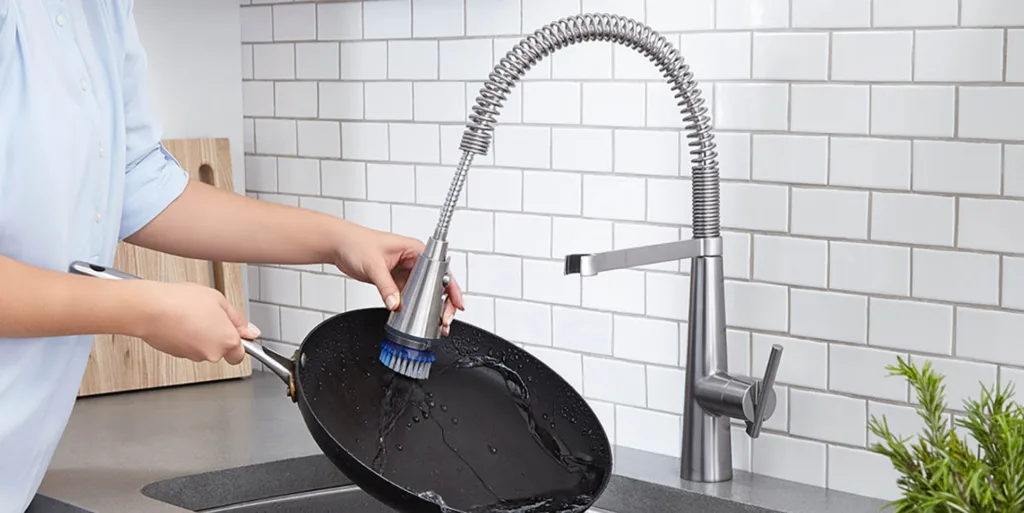
Stainless steel faucets naturally complement:
Modern and Scandinavian kitchens
Industrial and minimalist styles
Smart and sustainable home designs
Popular finishes include:
Brushed stainless steel
Matte stainless steel
Gunmetal stainless steel
Black PVD stainless steel
These finishes are not only stylish but also fingerprint-resistant and easy to maintain—reducing the need for harsh chemical cleaners.
7. Compliance with Global Environmental and Safety Standards
For B2B buyers, compliance is critical. Stainless steel faucets are increasingly preferred because they can meet multiple international requirements simultaneously:
Low-lead / Lead-free regulations
Drinking water contact safety
Eco-material certification
European market access
This makes stainless steel faucets ideal for:
Export markets
Government and hotel projects
Sustainable housing developments
As regulations become stricter year by year, stainless steel is one of the few materials that remains future-proof.
8. Cost Efficiency Over the Product Lifecycle
While stainless steel faucets may have a slightly higher initial cost than zinc alloy products, they offer significantly lower total cost of ownership:
Fewer repairs
Less corrosion-related failure
Longer warranty potential
Higher perceived value
For wholesalers, distributors, and brand owners, stainless steel faucets also mean:
Lower return rates
Stronger brand reputation
Easier marketing as “eco-friendly” and “premium”
9. Why B2B Buyers Are Shifting to Stainless Steel Faucets
Across Europe, South America, and North America, more importers and brands are transitioning to stainless steel faucet lines because they offer:
Compliance with environmental policies
Stronger differentiation in the market
Higher consumer trust
Better long-term profitability
For manufacturers with advanced stainless steel production capabilities, this shift represents a major growth opportunity.
10. The Future of Eco-Friendly Kitchens Is Stainless Steel
As sustainability, health, and durability become non-negotiable priorities, stainless steel faucets are no longer just an alternative—they are the future.
They combine:
Lead-free safety
Recyclability
Long lifespan
Modern aesthetics
Global compliance
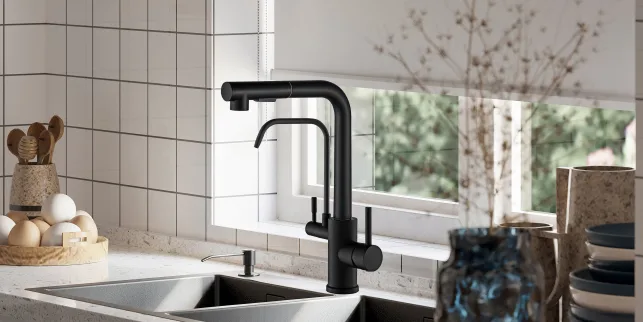
For homeowners, designers, and B2B buyers alike, stainless steel faucets represent a smarter, greener, and more responsible choice for modern kitchens.
Conclusion
Because they deliver what the modern world demands: safety, sustainability, durability, and design—without compromise.
As environmental regulations tighten and consumer expectations rise, stainless steel faucets are set to become the global standard for green kitchens in 2025 and beyond.