
Best Water Filter Faucets for Clean and Healthy Drinking Water in 2026
Meta Description
Discover the best water filter faucets for clean drinking water in 2026. Learn about filtered water faucets, features, benefits, installation, and buying tips.
Clean and healthy drinking water has become a major priority for modern households. As people become more concerned about water quality, contaminants, plastic waste, and environmental impact, water filter faucets are becoming one of the fastest-growing kitchen fixture choices.
Unlike traditional kitchen faucets, a filtered water faucet provides cleaner drinking water directly from your sink by connecting with a filtration system. It offers a convenient alternative to bottled water while improving the taste and quality of everyday drinking water.
Whether you are renovating your kitchen, upgrading your plumbing fixtures, or looking for a healthier lifestyle, choosing the best water filter faucet can make a significant difference.
In this complete 2026 buyer’s guide, we will explain what water filter faucets are, how they work, their benefits, different types, important features, installation tips, and how to choose the right model for your kitchen.
What Is a Water Filter Faucet?
A water filter faucet is a specialized kitchen faucet designed to deliver filtered drinking water.
It connects to a water filtration system that removes or reduces unwanted substances from tap water, depending on the filter type.
Common filtration systems include:
- Activated carbon filters
- Reverse osmosis systems
- Under-sink water filters
- Inline filtration systems
Unlike regular kitchen faucets, water filter faucets are specifically designed for:
- Drinking water
- Cooking
- Preparing beverages
- Washing food
Why Are Water Filter Faucets Becoming More Popular in 2026?
Consumers are increasingly looking for healthier and more sustainable solutions for their homes.
Several factors are driving the popularity of filtered water faucets:
1. Growing Concern About Water Quality
Many homeowners want to reduce exposure to:
- Chlorine taste and odor
- Sediments
- Heavy metals
- Chemical impurities
A quality filtration system can improve water taste and overall drinking experience.
2. Reducing Plastic Bottle Waste
A water filter faucet eliminates the need to constantly purchase bottled water.
Benefits:
✔ Lower long-term cost
✔ Less plastic waste
✔ More convenient access to clean water
3. Modern Kitchen Design Trends
Today’s kitchens focus on:
- Minimalist design
- Smart functionality
- Health-focused features
A dedicated drinking water faucet fits perfectly into modern kitchen layouts.
How Does a Water Filter Faucet Work?
A typical filtered water faucet system works through several steps:
Step 1: Water Enters the Filtration System
Tap water flows from the main supply line into the filter.
Step 2: The Filter Removes Impurities
Depending on the filtration technology, the system may reduce:
- Chlorine
- Sediment
- Odors
- Certain contaminants
Step 3: Filtered Water Comes Through the Faucet
Clean water is delivered through a dedicated drinking water faucet installed on the countertop or sink.
Types of Water Filter Faucets
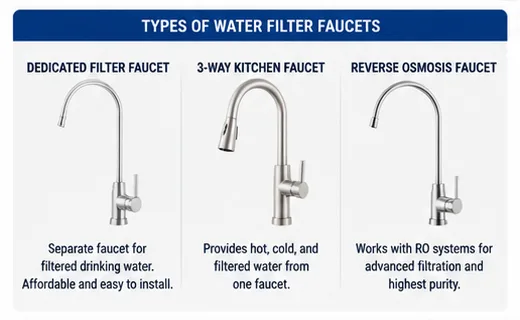
There are several types of filtered water faucets available.
1. Dedicated Water Filter Faucet
A dedicated water filter faucet is installed separately from the main kitchen faucet.
It usually has:
- One handle
- Compact design
- Simple operation
Advantages:
✔ Easy installation
✔ Affordable
✔ Space-saving
✔ Dedicated drinking water supply
This is one of the most common choices for residential kitchens.
2. 3-Way Kitchen Faucet
Advantages:
✔ Cleaner countertop appearance
✔ Saves sink space
✔ Modern design
It is popular in premium kitchen renovations.
3. Reverse Osmosis Water Filter Faucet
Reverse osmosis (RO) faucets are designed for advanced filtration systems.
They are commonly used where homeowners require higher filtration performance.
Benefits:
- Advanced purification
- Better taste
- Reduced impurities
Benefits of Using a Water Filter Faucet
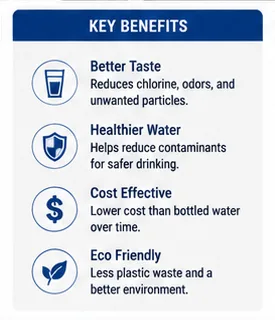
1. Better Drinking Water Taste
Many people notice improved water quality after installing a filtration system.
A filtered water faucet can help reduce:
- Chlorine taste
- Unpleasant odors
- Metallic taste
2. Convenient Access to Clean Water
Instead of buying bottled water or using separate containers, you can get filtered water instantly from your kitchen sink.
Perfect for:
- Drinking
- Tea and coffee
- Cooking
- Baby formula preparation
3. Saves Money Over Time
Although the initial investment is higher, a filtration faucet can reduce the cost of bottled water.
4. Environmentally Friendly Choice
Using a water filter faucet helps reduce plastic bottle consumption.
5. Better Kitchen Organization
A dedicated filtered water system provides:
- Cleaner countertops
- Better workflow
- More convenient cooking
Best Materials for Water Filter Faucets
Material quality determines durability and safety.
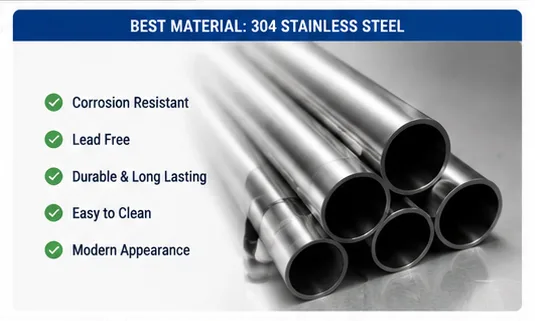
304 Stainless Steel Water Filter Faucet (Best Choice)
A 304 stainless steel water filter faucet is one of the most popular options.
Benefits:
Corrosion Resistance
Stainless steel performs well in:
- Humid kitchens
- Hard water areas
- Daily use environments
Long Lifespan
High-quality stainless steel faucets can last many years with proper maintenance.
Hygienic Surface
304 stainless steel is:
- Non-porous
- Easy to clean
- Suitable for drinking water applications
Modern Appearance
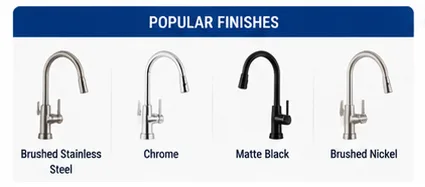
Popular finishes include:
- Brushed stainless steel
- Matte black
- Brushed nickel
Important Features to Look For in a Water Filter Faucet
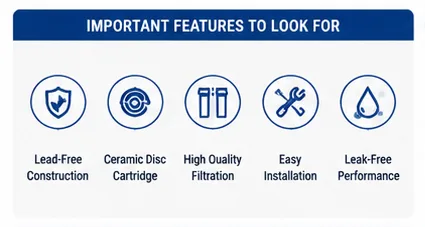
1. Lead-Free Construction
For drinking water applications, choosing a lead-free faucet is extremely important.
Look for:
- Lead-free stainless steel
- Certified materials
- Safe internal components
2. Ceramic Disc Cartridge
A ceramic cartridge provides:
- Smooth operation
- Leak resistance
- Long service life
3. Easy Filter Replacement
A good water filter system should allow:
- Simple cartridge replacement
- Easy maintenance
- Clear replacement instructions
4. High-Quality Finish
Popular finishes include:
Brushed Stainless Steel
Advantages:
- Hides fingerprints
- Reduces water spots
- Easy cleaning
Matte Black
Advantages:
- Modern appearance
- Premium kitchen style
Chrome
Advantages:
- Bright appearance
- Affordable option
Water Filter Faucet Installation Guide
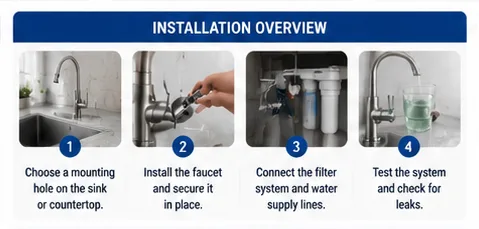
Installing a water filter faucet usually involves:
Step 1: Check Sink Compatibility
Confirm:
- Available mounting hole
- Countertop thickness
- Space under sink
Step 2: Install the Faucet
Secure the faucet to the sink or countertop.
Step 3: Connect the Filter System
Connect:
- Water supply line
- Filter cartridge
- Faucet tubing
Step 4: Test Water Flow
Check:
- Leaks
- Water pressure
- Filter performance
Water Filter Faucet vs Regular Kitchen Faucet
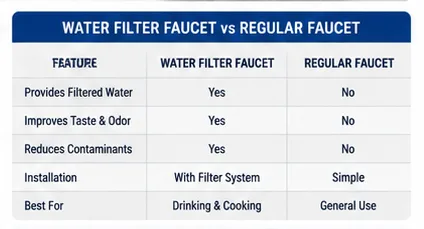
| Feature | Water Filter Faucet | Regular Faucet |
|---|---|---|
| Drinking Water | Yes | No |
| Filtration | Available | No |
| Installation | Additional system | Simple |
| Health Benefits | Higher | Standard |
| Cost | Higher | Lower |
How to Choose the Best Water Filter Faucet in 2026
Before purchasing, consider:

1. Water Quality Needs
Different areas have different water conditions.
Consider:
- Hard water
- Chlorine levels
- Sediment problems
2. Filter Compatibility
Check whether the faucet works with:
- Carbon filters
- RO systems
- Under-sink filters
3. Faucet Material
Recommended:
✔ 304 stainless steel
✔ Lead-free construction
✔ Ceramic cartridge
4. Kitchen Design
Choose a style that matches:
- Sink
- Cabinet design
- Main kitchen faucet
5. Maintenance Requirements
Look for:
- Easy filter replacement
- Durable finish
- Replaceable parts
Common Mistakes When Buying a Water Filter Faucet
Choosing Cheap Materials
Low-quality faucets may experience:
- Corrosion
- Leakage
- Short lifespan
Ignoring Filter Replacement Cost
The filter cartridge needs regular replacement.
Consider long-term maintenance costs.
Buying Without Checking Compatibility
Always confirm:
- Filter connection
- Installation space
- Water pressure requirements
Frequently Asked Questions
It depends on the product. Some faucets are sold with filter systems, while others only include the faucet and require a separate filtration unit.
Most standard filters improve taste and reduce some contaminants but do not fully remove hardness minerals. A water softener is usually required for hard water treatment.
Yes. 304 stainless steel provides excellent durability, corrosion resistance, and a hygienic surface for drinking water applications.
Replacement frequency depends on:
- Filter type
- Water quality
- Usage amount
Many household filters require replacement every several months.
For households that drink tap water regularly, a water filter faucet provides convenience, improved taste, and long-term savings.
Final Thoughts
The demand for water filter faucets continues to grow in 2026 as homeowners prioritize healthier drinking water, modern kitchen design, and sustainable living.
The best choice for most kitchens is:
A 304 stainless steel water filter faucet with lead-free construction, ceramic cartridge, and compatible filtration system.
It provides:
✔ Clean drinking water access
✔ Durable performance
✔ Modern appearance
✔ Easy maintenance
✔ Long-term value
Whether you are upgrading a home kitchen or selecting products for a plumbing project, choosing a high-quality filtered water faucet is a smart investment for a healthier and more convenient lifestyle.