
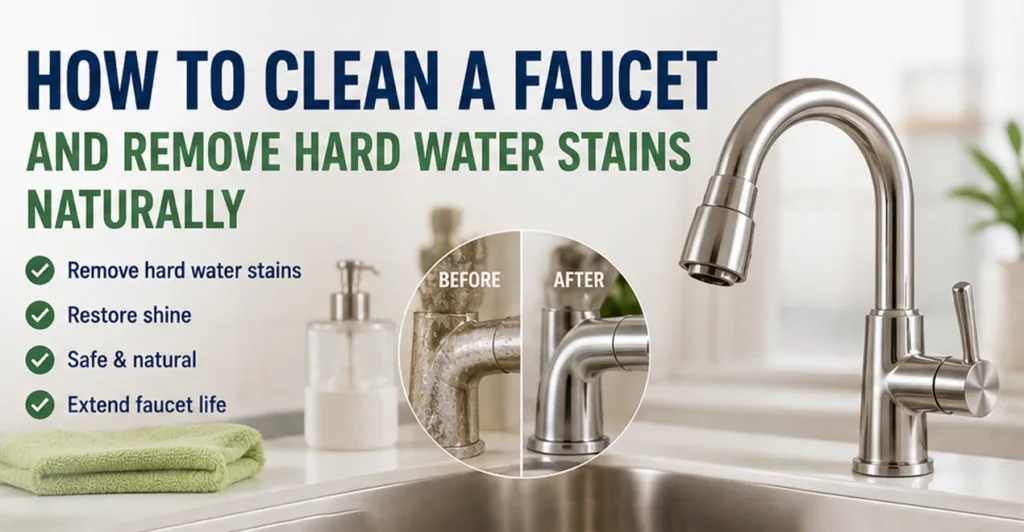
How to Clean a Faucet and Remove Hard Water Stains Naturally (2026 Guide)
Meta Description
Learn how to clean a faucet and remove hard water stains naturally using vinegar, baking soda, and DIY methods. Easy faucet cleaning guide for kitchens and bathrooms.
A beautiful faucet can instantly improve the appearance of your kitchen or bathroom. However, even the best stainless steel faucet or modern kitchen fixture can quickly lose its shine because of hard water stains, mineral buildup, soap residue, and rust spots.
If you’ve searched for:
- how to clean a faucet
- remove hard water stains naturally
- clean stainless steel faucet
- faucet cleaning hacks
- DIY faucet cleaning solutions
then this complete guide will show you exactly how to restore your faucet safely and naturally—without harsh chemicals.
Whether you own a:
- stainless steel kitchen faucet
- chrome bathroom faucet
- brushed nickel faucet
- pull-down kitchen faucet
these cleaning methods will help remove stains, improve shine, and extend faucet lifespan.
Why Faucets Develop Hard Water Stains
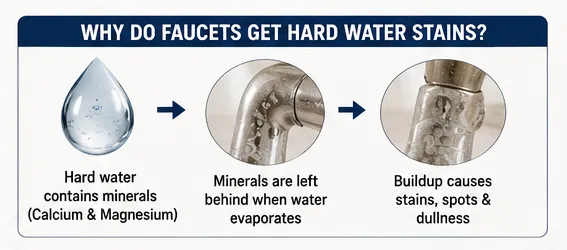
Hard water contains high levels of dissolved minerals such as:
- Calcium
- Magnesium
- Lime
When water evaporates, these minerals remain on the faucet surface, creating:
- White spots
- Chalky residue
- Cloudy buildup
- Rust-like stains
Over time, mineral deposits can damage the faucet finish and reduce water flow.
Hard Water→Mineral Buildup→Faucet Stains
Why Natural Faucet Cleaning Methods Are Better
Many commercial cleaners contain harsh chemicals that can:
- Damage faucet finishes
- Corrode metal surfaces
- Reduce faucet lifespan
- Irritate skin and lungs
Natural cleaning methods are:
- Safer
- Eco-friendly
- Affordable
- Effective for daily maintenance
Best Faucet Materials and Cleaning Requirements
Different faucet finishes require slightly different care methods.
Stainless Steel Faucets
Stainless steel faucets are durable and corrosion-resistant, making them one of the easiest faucet materials to maintain.
Best cleaning methods:
- Vinegar solution
- Baking soda paste
- Mild dish soap
Chrome Faucets
Chrome faucets provide a shiny mirror-like finish but scratch easily.
Avoid:
- Steel wool
- Abrasive scrubbers
- Strong acids
Brushed Nickel Faucets
Brushed nickel hides fingerprints well but can lose its finish if over-cleaned.
Use:
- Warm water
- Soft microfiber cloth
- Mild soap only
Essential Supplies for Natural Faucet Cleaning
Before cleaning your faucet, gather these supplies.
Recommended Cleaning Supplies
- White vinegar
- Baking soda
- Lemon juice
- Dish soap
- Spray bottle
- Microfiber cloth
- Soft toothbrush
- Plastic bag
How to Clean a Faucet Naturally
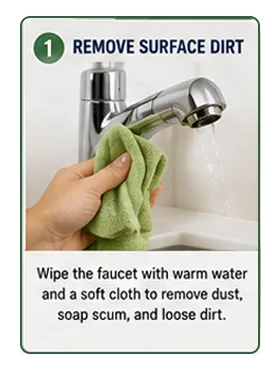
Step 1: Remove Surface Dirt
Start by wiping the faucet using warm water and a soft cloth.
This removes:
- Dust
- Soap residue
- Loose debris
Avoid abrasive pads that can scratch the finish.
Step 2: Apply Vinegar Solution
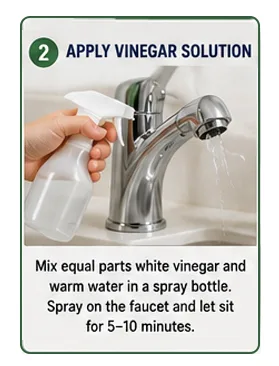
White vinegar is one of the best natural cleaners for mineral buildup.
Vinegar Cleaning Solution
Mix:
- 1 part white vinegar
- 1 part warm water
Spray directly onto the faucet surface.
Let it sit for 5–10 minutes.
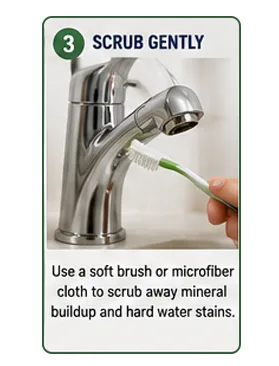
Step 3: Scrub Gently
Use a microfiber cloth or soft toothbrush to clean around:
- Faucet base
- Handle joints
- Aerator area
Pay extra attention to stubborn calcium deposits.
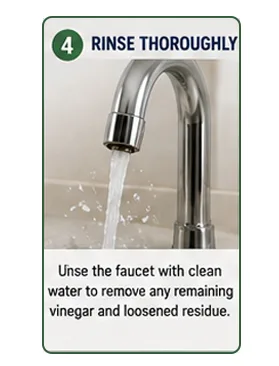
Step 4: Rinse Thoroughly
Rinse with clean water to remove any remaining vinegar or residue.
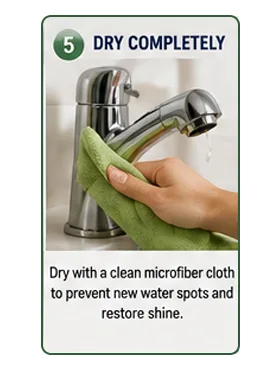
Step 5: Dry Completely
Drying is extremely important.
Water left on the surface creates new mineral deposits quickly.
Use a dry microfiber cloth to polish the faucet.
How to Remove Tough Hard Water Stains
Sometimes regular cleaning isn’t enough.
For heavy mineral buildup, deeper cleaning is necessary.
Method 1: Vinegar Soak Technique
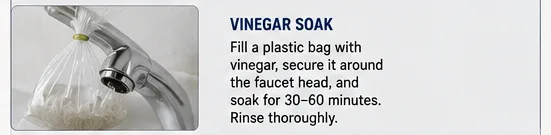
This method works especially well for faucet aerators and stubborn deposits.
Instructions
- Fill a plastic bag with vinegar
- Place bag around faucet head
- Secure with rubber band
- Soak for 30–60 minutes
The vinegar dissolves calcium and lime buildup naturally.
Method 2: Baking Soda Paste
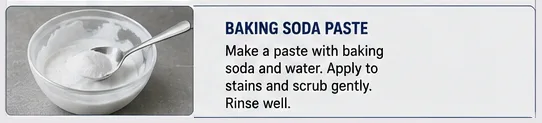
Baking soda provides gentle scrubbing power.
DIY Paste Recipe
Mix:
- Baking soda
- Small amount of water
Apply paste to stained areas and scrub gently.
Method 3: Lemon Juice Cleaner

Lemon juice contains natural acid that helps dissolve hard water stains.
It also leaves a fresh smell and polished appearance.
How to Clean a Faucet Aerator
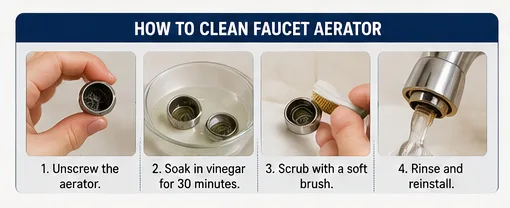
The faucet aerator often traps:
- Calcium deposits
- Rust particles
- Dirt buildup
This reduces water pressure over time.
Step-by-Step Aerator Cleaning
Step 1
Unscrew the aerator carefully.
Step 2
Soak it in vinegar for 30 minutes.
Step 3
Use a toothbrush to remove debris.
Step 4
Rinse and reinstall.
How to Remove Rust Stains from Faucets
Rust can develop on low-quality or poorly maintained faucets.
Natural Rust Removal Method
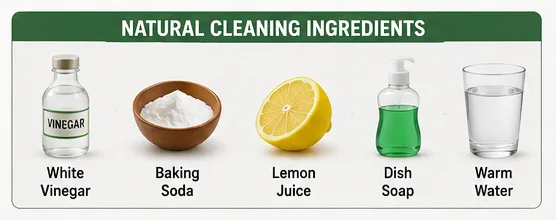
Ingredients
- Baking soda
- Lemon juice
Apply mixture gently and scrub using soft cloth.
Never use steel wool on stainless steel or chrome finishes.
Common Faucet Cleaning Mistakes to Avoid
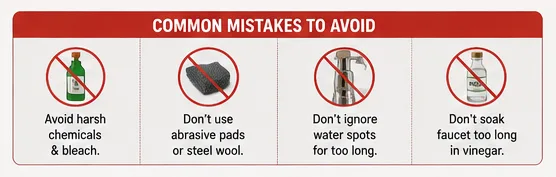
Avoiding these mistakes helps protect your faucet finish.
1. Using Harsh Chemicals
Bleach and acidic cleaners may damage:
- Stainless steel
- Chrome plating
- Brushed nickel finishes
2. Using Abrasive Scrubbers
Steel wool and rough pads leave scratches that attract more stains.
3. Ignoring Water Spots
Allowing water to dry naturally increases mineral buildup.
4. Overusing Vinegar on Delicate Finishes
Long exposure may dull certain coatings.
How to Prevent Hard Water Stains on Faucets
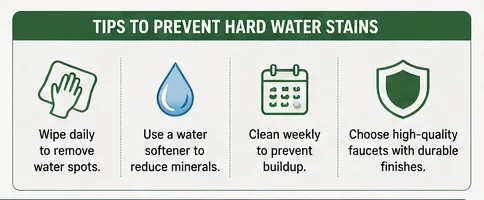
Prevention is easier than deep cleaning.
1. Wipe Faucet Daily
A quick wipe removes moisture before minerals dry.
2. Install a Water Softener
Water softeners reduce:
- Calcium
- Lime
- Mineral deposits
3. Use High-Quality Faucets
Premium faucets resist stains better.
Best Faucet Materials
- 304 stainless steel
- Solid brass
- PVD-coated finishes
4. Clean Weekly
Regular maintenance prevents stubborn buildup.
Simple weekly cleaning takes less than five minutes.
Best Natural Cleaning Recipes for Faucets
Recipe 1: Everyday Cleaner
- Warm water
- Mild dish soap
Recipe 2: Heavy Mineral Removal
- White vinegar
- Baking soda
Recipe 3: Shine Booster
- Lemon juice
- Microfiber polishing cloth
Benefits of Keeping Faucets Clean
Regular faucet cleaning provides several benefits.
Better Appearance
Shiny faucets improve kitchen and bathroom aesthetics.
Longer Lifespan
Mineral buildup accelerates wear and corrosion.
Improved Water Flow
Clean aerators maintain strong pressure.
Better Hygiene
Removing buildup reduces bacteria accumulation.
Frequently Asked Questions
White vinegar is one of the most effective natural solutions.
Short-term use is safe, but prolonged soaking should be avoided.
Light weekly cleaning prevents heavy buildup.
Hard water minerals dry on the surface after water evaporates.
Warm water, mild soap, and microfiber cloths are safest for most finishes.
Final Thoughts
Learning how to clean a faucet and remove hard water stains naturally is one of the easiest ways to improve the appearance and lifespan of your kitchen or bathroom fixtures.
Using natural cleaners like:
- Vinegar
- Baking soda
- Lemon juice
can safely remove:
- Calcium deposits
- Water spots
- Rust stains
- Mineral buildup
without damaging your faucet finish.
With regular maintenance and proper cleaning habits, your faucet can stay shiny, functional, and corrosion-resistant for many years.